Field Rules

Know the Law

The rules that apply when you sell door to door: the right to cancel, saying who you are, permits and hours, and No Soliciting signs. Most are simple, and breaking them can cost you the sale, your permit, or your company's license.

All levels 8 min
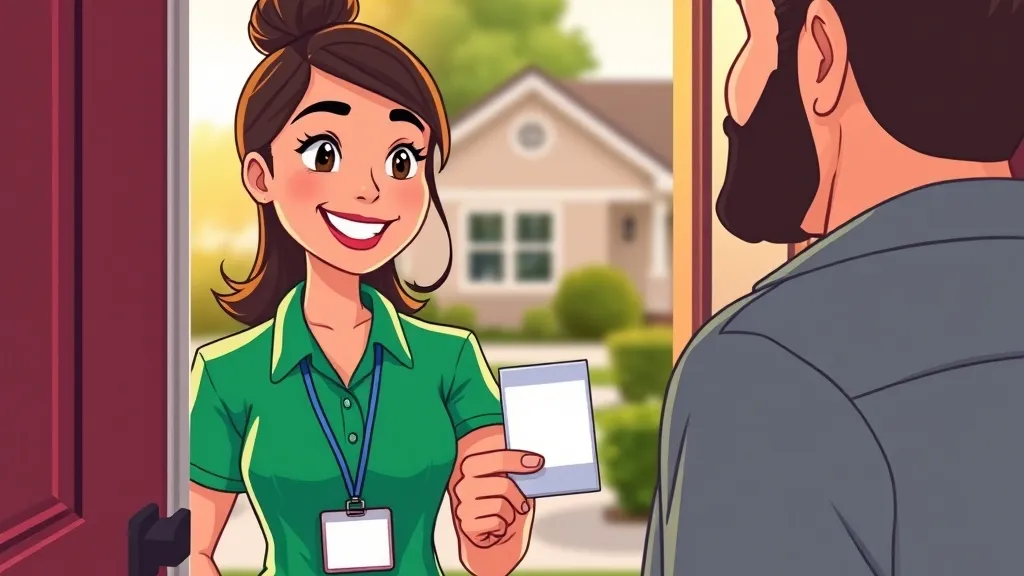
A rep holding up her ID badge at a front door
Show your ID and say who you are and what you're selling, right away.
Not legal advice

This is a plain-language overview to help you ask the right questions. Rules change and vary by state and city. Your company and your local city hall have the final word for where you knock.

1 The 3-day right to cancel (everywhere in the US)

The FTC's Cooling-Off Rule covers sales of $25 or more made at the customer's home. It's federal, so it applies in every state.

  • The customer can cancel until midnight of the third business day after the sale. Sundays and federal holidays don't count.
  • You must tell them about it out loud at the time of the sale.
  • You must give them the agreement or a receipt with the right to cancel on it, plus two copies of a Notice of Cancellation form.
  • If they cancel, the company must refund what they paid within 10 business days.
  • Many states have their own version on top of this (Oregon's is the Home Solicitation Sales Act). Your company's agreement should already include the right forms.

Source: FTC Cooling-Off Rule (16 CFR 429)

2 Say who you are, up front

Some states require door-to-door sellers to identify themselves right away. Oregon is a clear example. Under ORS 646.611, within the first 30 seconds you must:

  • Say your name and who you represent
  • Explain why you're there and what you're selling, in plain words
  • Ask whether they'd like to hear more, and stop if they say no
  • During the pitch, give the total cost and the payment schedule

The GRIT intro already opens with your name and company. In states with a rule like Oregon's, once you've asked if they'd like to hear more and they say no, that's the end of that door. The push past an early “not interested” taught in the Approach is for places where the law allows it.

Source: ORS 646.611

3 City permits and knocking hours

  • Permits: many cities require a solicitor or peddler permit before you knock, and expect you to carry it. Some, like Eugene, Oregon, don't require registration but do require photo ID that shows your employer and receipts for every sale.
  • Hours: many cities limit when you can knock, often ending in the evening or at dusk. If your plan is to work Period 3 until dark, check the local hours first.
  • Where to look: the city's municipal code (search the city name plus “solicitor”), or call city hall or the police non-emergency line.

Example: City of Eugene door-to-door solicitor tips

4 No Soliciting signs and No-Knock lists

  • In many cities, knocking on a door with a posted No Soliciting sign is a violation, not just bad manners. Skip those doors.
  • Some cities and HOAs keep a No-Knock list of addresses that opted out. Ask your manager whether your area has one.
  • Gated communities and HOAs often have their own rules. Get permission before you go in.

5 Licensing and honest selling

  • Pest control: the techs who apply pesticides need a state license. Whether sales reps need any registration varies by state, so ask your company.
  • Never misrepresent who you are: don't imply you're with the city, the HOA, or the homeowner's current company.
  • Only real social proof: name neighbors who actually signed up.
  • Give the real price: the total cost and how payments work, not just the per-visit number.
Before you knock a new market

✓ Do I need a city permit, and do I have it on me?
✓ What hours can I knock here?
✓ Is there a No-Knock list or HOA rule?
✓ Is my ID badge visible?
✓ Does my agreement include the cancellation notice, and do I know how to explain it?
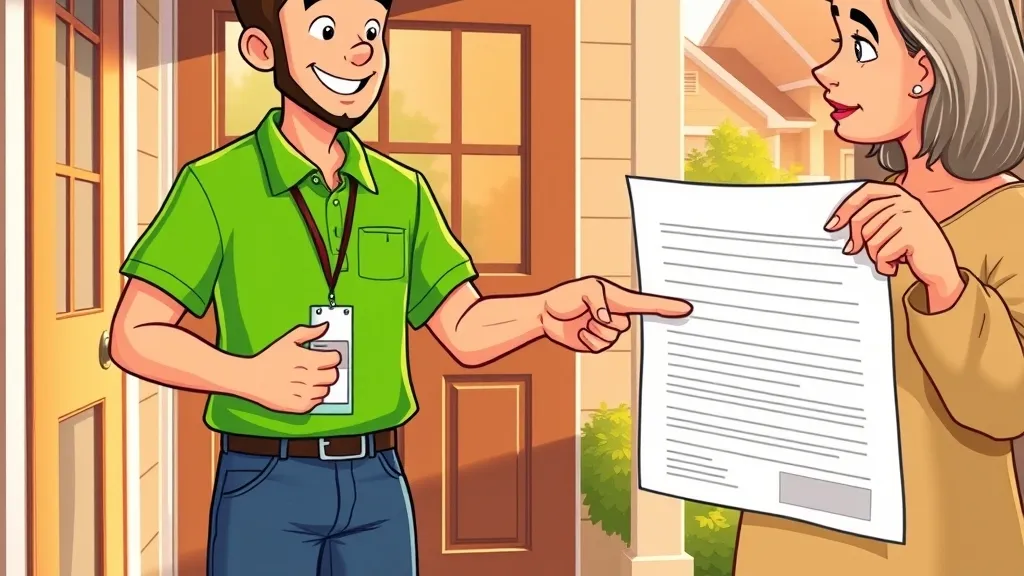

A rep pointing out a section of a printed agreement to a homeowner
Point out the right to cancel. A sale that sticks is one they understand.

Make the sale stick

How to bring up the cancel window at the close without losing the deal.

Closing: After the Yes →