◆ Pest Control · Oregon Field Guide

Oregon Pest
Field Guide

Biology, home damage, and sales angles for every bug you'll encounter on the doors in Oregon. Wet 8 months, bone-dry for 2 — that cycle drives every pest pressure here.

Wasps & Stingers Ants Spiders Occasional Invaders Tick / Flea / Mosquito
Wasps

Oregon's wet springs mean queens start colonies early. By August you're dealing with 1,000+ worker colonies. Eave treatments in spring are the prevention story.
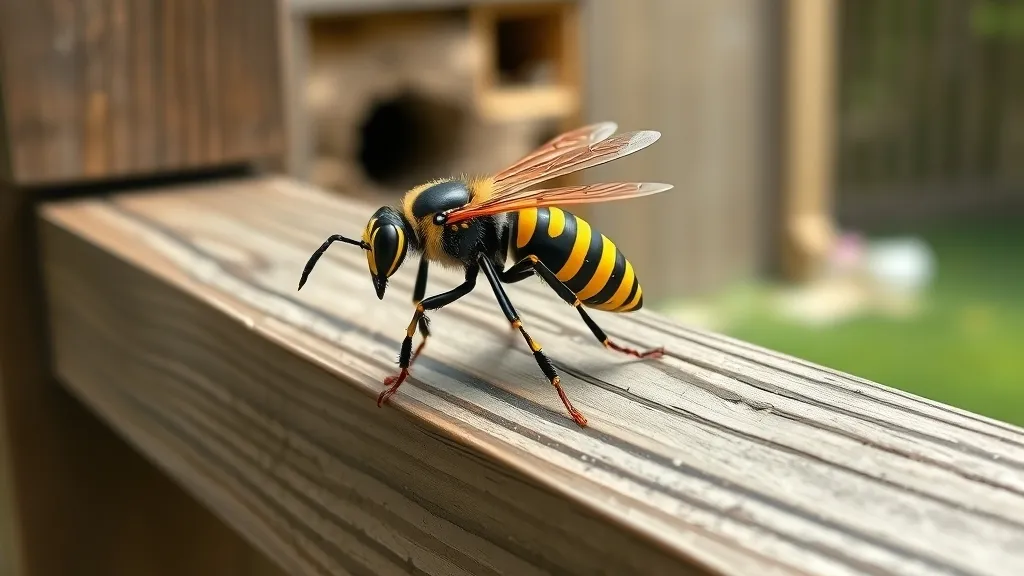
A yellow jacket wasp on a wooden deck rail
Yellow jacket: sleek black and bright yellow, nests in the ground, in walls and under decks.
🟡
Yellow Jacket (Vespula spp.)
Oregon's #1 stinger — peaks July–October
High Danger Jul – Oct
▼
What it is
Not a bee. Sleek black and bright yellow. Nests in the ground, in walls, or under decks. Colony starts in spring with one queen — by August it's 1,000+ workers hunting protein and sugar. In fall they get aggressive because the colony is dying.
Home Impact
Nests in wall voids chew through drywall to get out. Underground nests under patios = kids and dogs get stung. Attracted to BBQs, soda, pet food.
Oregon Timing
Worst July–October. OSU: "Awareness is key — run, don't swat, cover food."
Door Angle

"We had 3 yellowjacket calls on this street last September. They nest in the ground right where your kids play. Our service treats the eaves in spring so queens never start, and we come back free if you see activity in fall."

⚫
Bald-Faced Hornet (technically a wasp)
Football-sized paper nests in trees and under eaves
High Danger Summer – Fall
▼
What it is
Large, black with a white face. Builds football-sized paper nests in trees or under eaves — up to 58 cm long. Common in wooded suburbs like Beaverton, Tigard, and Bend.
Home Impact
Extremely defensive. One bump on a ladder = multiple stings. A nest on the house structure is a liability — especially near entries or play areas.
🟤
Paper Wasp
Umbrella nest under eaves — less aggressive than yellowjackets
Med Danger Spring – Fall
▼
What it is
Long legs, open umbrella-shaped nest under eaves and overhangs. Less aggressive than yellowjackets but will sting if nest is disturbed.
Home Impact
Stains siding. Nests expand yearly if not removed. Good pollinators but homeowners hate them on porches and around entries.
🟫
Mud Dauber
Solitary, builds mud tubes — rarely stings
Low Danger
▼
What it is
Solitary wasp that builds mud tube nests on walls and under eaves. Rarely stings unprovoked.
Home Impact
Mainly cosmetic — mud smeared on siding. Worth mentioning that they eat spiders, so they can be used as a bridge topic when the customer brings up spider concerns.
Ants

Oregon has 12 common house ants. Know the Big 4. Carpenter ants are the structural threat — sugar ants are the daily nuisance. Fire ants are not established here.

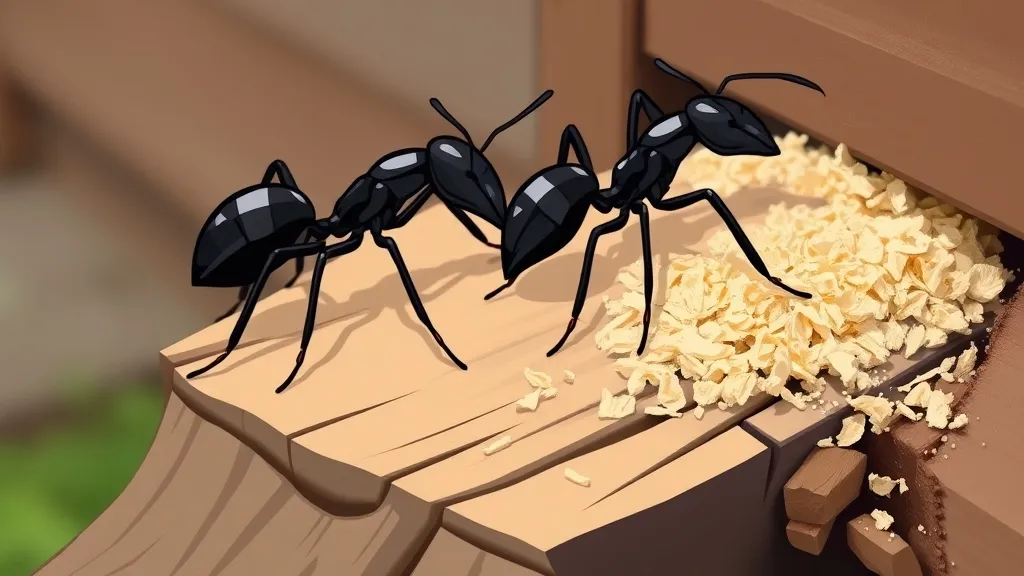
Two black carpenter ants beside a pile of sawdust on damp wood
Carpenter ants: big and black. A pile of sawdust (frass) near damp wood is the giveaway.
⬛
Carpenter Ant
"Termites of the Northwest" — structural damage in wet wood
Structural Damage Apr – Jun Swarm
▼
What it is
Big black ant, 1/4–1/2 inch. OSU Extension calls them "Termites of the Northwest." They don't eat wood — they excavate wet, rotted wood to nest, pushing out sawdust piles called frass.
Home Impact
Targets damp wood around leaks, decks, roof lines, crawl spaces. Left alone 3–5 years = thousands in structural damage. Requires professional treatment — DIY sprays don't reach the nest.
Oregon Timing
Swarm April–June after rain. Night foragers — seeing them inside at night is a red flag.
Door Angle

"Oregon homes are built with a lot of wet wood. Carpenter ants are why we do the perimeter and treat the moisture points. If you see big black ants at night or sawdust under a baseboard, that's not a nuisance — that's a nest in your wall."

🟤
Odorous House Ant ("Sugar Ant")
Tiny, smells like rotten coconut — sprays make it worse
Food Contamination Year-Round
▼
What it is
Tiny brown ant, smells like rotten coconut when crushed. Top 3 PNW ant (Western Exterminator). Colonies have multiple queens — spray them and they bud into 5 colonies.
Home Impact
Contaminates food, trails in kitchens and bathrooms year-round. Worst in spring. Store-bought repellent sprays actively make the infestation worse by triggering budding.
Door Angle

"Sprays from Home Depot make sugar ants worse — it splits the colony. We use non-repellent bait they carry back to the queens. That's why we can actually guarantee it."

⬛
Pavement Ant
Nests under slabs — common in newer Oregon subdivisions
Nuisance
▼
What it is
Small dark brown ant, nests under slabs and driveways. Pushes sand up through concrete cracks, enters homes through slab gaps.
Home Impact
Common in newer Oregon subdivisions. Mostly a nuisance — contaminates food and makes homeowners uncomfortable. Perimeter treatment handles them reliably.
🔴
Fire Ant
NOT established in Oregon — know this before you sell
Not in Oregon
▼
Reality Check
True imported fire ants are not established in Oregon. If a customer says "fire ant," it's usually a European fire ant in western OR or just a red pavement ant.
Don't sell on fire ant fear in Oregon. Sell on carpenter ants and sugar ants — those are the real story here.

Spiders

Oregon has 500+ species. Only black widows are medically significant. Brown recluses are not established here — use that fact to build trust on the doors.

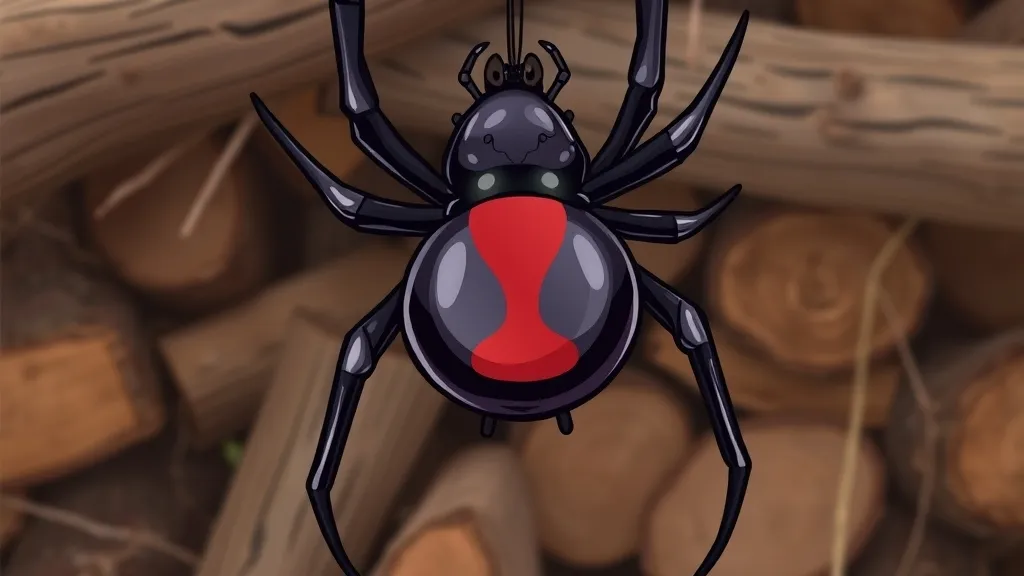
A black widow spider with a red hourglass in a woodpile web
Black widow: shiny black with a red hourglass. The only medically significant spider in Oregon.
⚫
Black Widow
Shiny black with red hourglass — only medically significant Oregon spider
Neurotoxic Southern/Eastern OR
▼
What it is
Shiny black body with a red hourglass on the abdomen. Found in dry, undisturbed spots — wood piles, crawl spaces, meter boxes, sheds. More common in southern and eastern Oregon.
Risk
Neurotoxic venom. Bites are rare but serious, especially for kids and pets. Real concern in storage areas and garages that don't get disturbed often.
🟤
Hobo Spider
Top call in Oregon — funnel-web, basements and ground level
Low Risk Aug – Oct
▼
What it is
Brown funnel-web spider. Lives in basements, ground level, and garage corners. OSU and ODA have debunked the old "dangerous" myth — not medically significant. But still one of the top customer calls.
Oregon Timing
Males wander in August when searching for mates — that's when customers start seeing them and calling.
Door Angle

"Hobos are why we treat the foundation and garage — customers see them in August when males wander. Foundation treatment knocks out their food source at ground level."

🟫
Brown Recluse
NOT established in Oregon — use this to build credibility
Not in Oregon
▼
Reality Check
ODA says reports are almost always misidentified. Oregon does not have an established brown recluse breeding population. What they're seeing is almost always a hobo or cellar spider.
Door Angle — Trust Builder

"We get that call a lot — Oregon actually doesn't have a breeding brown recluse population. What you're seeing is probably a hobo or cellar spider. Here's what those look like and why we treat for them..."

🕷
Wolf, Jumping & Cellar Spider
Common, mostly beneficial — manage homeowner fear
Beneficial
▼
Wolf Spider
Big, hairy, hunts on the ground. Scary-looking but beneficial — eats pest insects.
Jumping Spider
Tiny, curious, completely harmless. Good indicator that their home has a healthy insect population to control.
Cellar Spider (Daddy Longlegs)
Damp basements, makes messy webs. Actually eats other spiders — keeps black widow and hobo populations in check.
Door Angle

"Spiders are in every home — they eat the bugs. Our service doesn't wipe them out, it knocks down their food source and treats the harborage points so you don't see them in your living space."


Occasional Invaders

These come inside when weather shifts — fall rains and the first cold snap. Oregon's wet springs make moisture-loving species especially bad here.

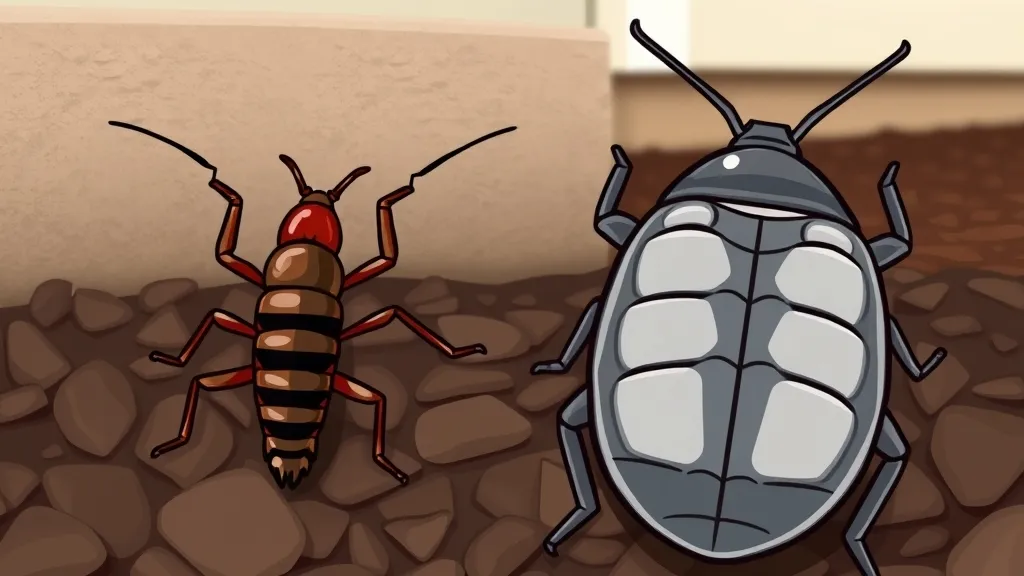
An earwig and a pillbug on damp mulch by a foundation
Earwigs and pillbugs: moisture lovers that boom in wet springs.
🐛
Earwigs & Pillbugs
Moisture-lovers — boom in Oregon's wet springs
NuisanceSpring – Fall
▼
What it is
Love moisture — found under mulch, in basements, around leaky foundations. Don't damage homes structurally, but creep customers out. Oregon's wet springs create big boom years.
🪲
Silverfish
Eats paper, glue, clothes — sign of humidity problems
Property Damage
▼
Home Impact
Eats paper, cardboard, glue, and clothes. Loves bathrooms and attics. Seeing silverfish is a sign of elevated humidity — good conversation starter about moisture control.
🪳
German Cockroach
Rare in Oregon single-family homes — big upsell when found
High Priority
▼
Reality
Rare in single-family Oregon homes unless brought in. If you see one, it's almost always a sanitation issue. This is a big interior treatment upsell — don't undervalue it.
🍂
Stink Bug, Boxelder & Springtail
Fall invaders — boxelders swarm sunny sides in October
NuisanceSeptember – October
▼
Boxelder Bug
Swarms the sunny sides of homes in October looking for warmth. Not dangerous but customers hate them and they stain surfaces.
Springtail
Tiny jumping bugs in sinks and drains. Moisture leak indicator — seeing them in a kitchen or bathroom means there's a water source nearby. Good diagnostic talking point.
🐌
Slugs & Snails
Huge in western Oregon — destroy gardens, leave slime in garages
Property DamageYear-Round
▼
Oregon Note
Not insects, but a massive complaint in western Oregon. Destroy gardens, leave slime trails in garages and on walkways. Treat perimeter + moisture — good add-on conversation, especially in spring.

Tick · Flea · Mosquito

Standard pest service handles crawling bugs. This is the backyard upsell — treat the harborage so kids and dogs aren't the repellent.

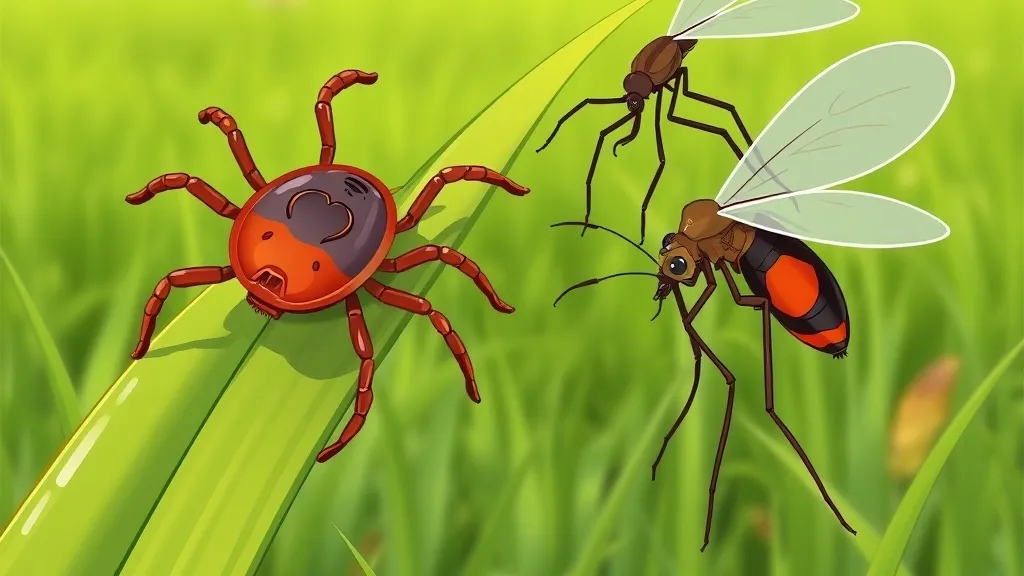
A tick on a blade of grass and a mosquito hovering beside it
Ticks and mosquitoes live in the yard, so the treatment has to cover the yard too.
🕷
Tick
Western black-legged tick — Lyme risk present in Willamette Valley
Disease VectorApr – Jul Peak
▼
Oregon Reality
Western black-legged tick. Lyme disease risk is low but present in Willamette Valley and along the coast. Peak activity April–July.
Who to Target
Homes backing to greenbelt, wooded lots, customers with dogs or young kids who play in grass and leaf litter.
🐾
Flea
Year-round indoors — one flea = 50 eggs per day
Year-Round
▼
How They Work
Year-round indoors due to pets. Outdoor boom in late summer. One flea lays 50 eggs per day. Treatment must hit yard and interior — treating one without the other fails.
🦟
Mosquito
Culex species — West Nile vector — breed in standing water
Disease VectorJul – Sep
▼
Oregon Species
Western Oregon has Culex mosquitoes, the primary West Nile virus vector. Breed in standing water — clogged gutters, bird baths, kiddie pools. Peak July–September.
Door Angle

"Our standard pest service handles the crawling bugs. The tick/flea/mosquito add-on is for the backyard — we treat the harborage so your kids and dog aren't the repellent."


Mice & Rats

Wet Oregon winters drive rodents inside starting in October. Rodents need exclusion and bait stations — your quarterly spray won't stop them.

A house mouse peeking out of a small gap at the base of a wall
House mouse: squeezes through a dime-sized gap. Exclusion and bait stations, not spray.
🐭
House Mouse
Squeezes through dime-sized holes — breeds every 21 days
Fire RiskOct – Feb Worst
▼
How They Work
Can squeeze through a dime-sized hole. Breed every 21 days. Contaminate food, chew wires (fire risk), destroy insulation. Active year-round — worse October–February when cold hits.
🐀
Norway & Roof Rat
Norway rats burrow foundations — roof rats climb into attics
Disease Vector
▼
Oregon Pattern
Norway rats burrow under foundations in Portland metro. Roof rats climb trees into attics in older neighborhoods. Both spread hantavirus and leptospirosis.
High Pressure Areas
Homes near fields, creeks, or restaurants. Wet winters drive them in starting in October.
Door Angle

"Rodents don't care about your quarterly spray. They need exclusion and bait stations. Our rodent program seals entry points and monitors stations monthly — that's why it's a separate service from the bug program."


How to use this on the doors

Four angles that close in Oregon. Know your seasonal reason to be there and lead with it.

1
Lead with moisture
"Oregon homes are built in a rainforest. Carpenter ants and moisture pests are our #1 call — that's why we treat the perimeter every 90 days."
2
Seasonal close — always have a reason
"Right now it's yellowjacket queen season. We treat now so you don't have a nest by August." Know the month and have the corresponding pest pressure ready.
3
Differentiate on science — not price
"The box stores sell repellent sprays — that just splits ant colonies. We use transfer baits so the colony collapses at the queen." You know more than the homeowner about why DIY fails.
4
Bundle the upsells naturally
Standard = ants, spiders, wasps, occasional invaders. Upsell = mosquitoes/ticks in summer, rodent program in fall. Every close is a door to the next add-on.